
About Furnaces
Advanced Service Company LLC provides sales, service & installation of electric, gas and oil furnaces. If you are looking for a new furnace - An efficient electric, gas or oil furnace can help homeowners save money on utilities throughout the year. Pairing a heat pump with a gas or oil furnace can provide further savings on utilities by allowing the system to choose the most economical heating means depending on the outside temperature. These systems are called dual fuel HVAC systems.
There are a few types of furnaces that can be installed. These include electric, gas and oil furnaces. Give us a call today to learn about the features of each.
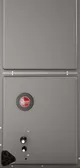
Electric Furnace
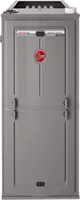
Gas Furnace
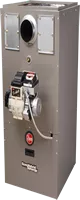
Oil Furnace
What is a Furnace
- Single-purpose heating appliance
- Operates independently or as part of HVAC system
- Available in gas, electric, or oil models
- Typically paired with air conditioner in split systems
Electric Furnaces
- No combustion or exhaust requirements
- Quieter operation
- Easier installation
Gas Furnaces
- Burners for fuel combustion
- Heat exchangers to transfer warmth
- Flue for exhaust gases
- Can utilize secondary heat exchangers for better efficiency
Oil Furnaces
- Burners for oil combustion
- Heat exchangers to transfer warmth
- Flue for exhaust gases
Furnace Components
Gas Burner
A gas furnace burner is a device that mixes fuel gas, like natural gas or propane, with air to create a flame for heating. It is an essential component of a gas furnace, responsible for producing the heat needed to warm a home.
Gas Combustion Chamber
A gas combustion chamber in a furnace is the area where natural gas is burned to produce heat. It mixes fuel with air, ignites it, and allows the resulting hot gases to transfer heat to the air that is circulated throughout the home.
Ignition Control Module (ICM)
A control board which integrates the operation of all the components required to operate a gas fired furnace or gaspack. This module controls components, such as the: gas valve, pilot valve, ignitor, draft motor or flame sensor.
Combination Gas Valve
A valve that controls the flow of gas in a furnace. This valve contains: a manual shutoff, control solenoid, pressure regulator, pilot gas solenoid and optionally a thermocouple sensor.
Integrated Furnace Control (IFC)
An IFC, or Integrated Furnace Control, is a component in a furnace that manages the operation of the heating system, including the ignition process, blower operation, and safety features. It ensures that the furnace runs efficiently and safely by monitoring various system parameters.
Hot Surface Ignitor (HSI)
An HSI, or Hot Surface Igniter, is a component in modern gas furnaces that ignites the gas by heating up to a high temperature, allowing the gas to combust and produce heat. It replaces older pilot light systems and is typically made of materials like silicon carbide.
Limit Switch
A limit switch on a furnace is a safety device that monitors the internal temperature and shuts off the furnace if it gets too hot, preventing overheating and potential damage or fire hazards. It ensures safe operation by controlling the burners and allowing the blower to cool the system when necessary.
Pressure Switch
A pressure switch in a furnace is a safety device that ensures the furnace operates correctly by monitoring the pressure in the exhaust system. It prevents the furnace from igniting if there is insufficient pressure, helping to avoid dangerous situations like carbon monoxide buildup.
Centrifugal Switch
A centrifugal switch in a furnace is a safety device that ensures the furnace operates correctly by monitoring the proper fan speed of an inducer motor in the exhaust system. It prevents the furnace from igniting if there is insufficient rotation, helping to avoid dangerous situations like carbon monoxide buildup.
Flame Rollout Switch
A flame rollout switch is a safety device in a furnace that detects if flames escape from the combustion chamber, preventing potential fires. It trips to shut down the furnace if it senses dangerous conditions, ensuring safe operation.
Heat Sequencer
A heat sequencer in a furnace is a device that controls the order in which heating elements are activated, ensuring they turn on in stages to prevent electrical overload. This helps the furnace operate efficiently and safely by managing the flow of electricity to the heating elements.
Electric Heat Kit (Electric Resistance Heat)
An electric heat kit in a furnace is can be a primary or supplementary heating component that provides heat. It typically includes electric heating elements and is designed to integrate with existing HVAC systems for efficient heating.
Electric Heat Element
An electric heat element in a furnace is a component that converts electrical energy into heat, allowing the furnace to warm the air for your home. It typically consists of tightly-wound metal coils that heat up when electricity passes through them.
Inducer Motor
A furnace inducer motor, also known as a draft motor, is crucial for the safe and efficient operation of a furnace. It creates a draft that removes combustion gases from the furnace, ensuring proper ventilation and preventing hazardous gas buildup.
Gas Orifices
A gas orifice in a furnace is a small opening that controls the flow of gas into the burner, ensuring proper combustion and efficiency. It is an essential component for regulating the gas supply in heating systems.
LP Conversion Kit
An LP conversion kit allows a furnace designed for natural gas to be converted to use liquid propane (LP) instead. This is useful for homes that do not have access to natural gas pipelines, providing an alternative fuel option.
Thermocouple
A thermocouple in a furnace is a safety device that detects whether the pilot light is lit. It generates a small voltage when heated by the flame, which keeps the gas valve open; if the flame goes out, the voltage drops, and the gas supply is shut off to prevent leaks.
Thermopile
A thermopile in a furnace is used as a safety device that generates voltage from the heat of the pilot light, ensuring that the gas supply is shut off if the pilot light goes out. This helps prevent gas leaks and ensures safe operation of the furnace.
Flame Sensor
A flame sensor in a furnace is a safety device that detects whether the gas burner is producing a flame. If it does not sense a flame, it shuts off the gas supply to prevent dangerous gas leaks.
Standing Pilot Light
A standing pilot light in a furnace is a small, continuously burning flame that serves as an ignition source for the main gas burner. It is commonly found in older gas furnaces, while modern systems typically use electronic ignition methods.
Gas Venturi
A gas venturi in a furnace is a system that uses the principle of negative pressure to mix gas with air for combustion, allowing for efficient heating. This type of burner typically does not require a combustion air blower, making it simpler and often used in smaller furnaces.
Venturi
A Venturi in a furnace is used to enhance airflow and improve combustion efficiency by creating a pressure difference that draws in air to mix with the fuel. This principle helps in achieving better heat distribution and can potentially reduce the need for additional blowers.
Gas Heat Exchanger
A gas heat exchanger in a furnace is a component that transfers heat from combustion gases to the air that circulates through your home, ensuring that the heated air is free from harmful combustion gases. It typically consists of a series of metal tubes that allow the heat to be exchanged while keeping the toxic gases separate from the indoor air.
Secondary Gas Heat Exchanger
A secondary heat exchanger in a furnace is a component that captures additional heat from the combustion gases after they pass through the primary heat exchanger. This process increases the furnace's efficiency by extracting more heat and allowing water vapor to condense, releasing latent heat.
Collector Box
The furnace collector box is a critical component of a gas furnace that collects and directs combustion gases into the heat exchanger and exhaust system. A furnace collector box leak can cause poor furnace performance, carbon monoxide risk, and safety shutdowns.
Spark Ignitor
A spark ignitor in a furnace is a component that creates a spark to ignite the gas, allowing the furnace to produce heat. It is essential for starting the combustion process and ensuring the furnace operates efficiently.
Liquid Petroluem (LP) Gas Tank
An LP tank, or liquefied petroleum tank, is a storage container for propane gas, which is commonly used as fuel for heating systems, including furnaces. These tanks can be above-ground or underground and are essential for supplying propane to power heating appliances in homes.
Gas Line
A gas line for a furnace is a pipe that delivers natural or propane gas from the main supply to the furnace, allowing it to operate efficiently. It is essential for providing the necessary fuel for heating your home.
Oil Supply System
The oil supply system brings fuel from the storage tank to the burner. It includes an oil tank (external or inside a basement or shop), an oil line, a primary filter, and a pump. The pump may be a gear or Gerotor design, and it pushes oil through the line to the nozzle at a controlled pressure. A heat-resistant strainer and a filter protect the burner from particulates that can clog the nozzle and degrade performance. Maintenance tips for the supply system include checking the filter for debris, inspecting the line for leaks, and ensuring the tank is kept clean and free of water contamination. Some systems use a low-water cut-off or a fuel level sensor to prevent air from entering the line during long periods of inactivity. Proper priming and occasional line bleeding may be necessary after service.
Oil Tank
An oil tank for a furnace is a storage container that holds heating oil, which is used as fuel for oil-burning furnaces. It supplies the oil to the furnace, where it is burned to generate heat for your home.
Oil Level Sensor
An oil level sensor for an oil furnace is a device that measures the amount of oil in the furnace's storage tank. It helps ensure that there is enough fuel for operation and can alert users when oil levels are low.
Oil Line
An oil line for a furnace is a pipe that transports heating oil from the storage tank to the furnace or boiler. These lines are typically made of materials like copper or steel and can be vulnerable to corrosion and leaks over time.
Oil Filter
An oil filter for a furnace is a component that cleans the heating oil by removing impurities and water before it reaches the burner, ensuring efficient operation and preventing damage to the furnace. Regular maintenance and replacement of the oil filter are important for optimal performance and longevity of the heating system.
Oil Pump
An oil pump for a furnace is a device that moves fuel oil from a storage tank to the burner, where it is pressurized and ignited to produce heat. It is essential for the operation of oil furnaces, ensuring a consistent flow of fuel for efficient heating.
Oil Nozzle
An oil nozzle for a furnace is a small component that atomizes fuel oil, allowing it to mix with air and ignite in the combustion chamber to produce heat. It is crucial for the efficient operation of oil-burning heating systems, with different types available based on spray patterns and flow rates.
Oil Combustion Chamber
An oil combustion chamber in a furnace is the area where fuel oil is burned to produce heat. It is designed to contain the flames and transfer the generated heat to the heat exchanger, which then distributes warm air throughout the home.
Oil Burner
An oil burner is a heating device which burns #1, #2 and #6 heating oils, diesel fuel or other similar fuels. In the United States, ultra low sulfur #2 diesel is the common fuel used. It is dyed red to show that it is road-tax exempt. In most markets of the United States, heating oil is the same specification of fuel as on-road un-dyed diesel. An oil burner is a part attached to an oil furnace, water heater, or boiler.
Furnace Efficiency
The furnace AFUE rating is calculated using the total annual heating output from the furnace versus the amount of fuel input over the same time period. The published rating of a furnace should be considered its average rating, not the efficiency it will achieve every single day. When making a purchase decision based on ratings, keep in mind that models with higher numbers are often deluxe heating units with extra features and benefits. Those units also typically come with a higher price tag as well, so you may want to research the potential savings on your utility bills when making your decision.
Because your actual operating costs take into account a number of variables such as the size of your home, thermostat settings, fuel type and more, your local Carrier dealer can be an excellent source for obtaining a reasonable estimate of these costs. Professional HVAC dealers have access to estimating tools that can help show your potential savings by stepping up from an 80% AFUE furnace model to a 90% or higher model.
For consumers making choices based on environmental impact, selecting the highest energy efficiency furnaces or boilers makes a lot of sense. Because they are more efficient furnaces, they can use less fuel compared to the same-sized 80% AFUE unit. And because they convert more of the fuel into heating energy that warms your home, fewer combustion gases are vented outside during the heating process.
So, now the question is, what is a good AFUE furnace rating?
When comparing annual fuel utilization for furnaces and boilers, keep in mind the current minimum allowed by the Department of Energy is a rating of 80% for gas furnaces. By today’s industry standards, a minimum efficiency model actually falls into the mid-efficiency category of 80 – 83% AFUE. These furnaces usually include fans that control the flow of combustion air and gases, and typically have electronic ignition instead of a continuously burning pilot light. Low efficiency units are older, existing systems that may reach 56 – 70% AFUE. These units often include a continuous pilot light and natural draft induction. High efficiency units are in the 90 – 98.5% AFUE and include features like two heat exchangers, a sealed combustion system, two or more heating stages, variable speed fans and “intelligent” controls. Learn more about the efficiency of gas and oil furnaces here.
Furnace Heat Rise Adjustments
If the actual Heat Rise is high, adjust it by increasing airflow slowly until the desired value is reached. If the actual Heat Rise is low, adjust it by decreasing airflow slowly until the desired value is reached.
The formula for Heat Rise is CFM = BTUs / (1.08 * Heat Rise)
Where 1.08 is a constant based on air properties.
The following is an example for the target Heat Rise of a furnace.
A 80,000 BTU furnace with a target Heat Rise of 50°F.
80,000 ÷ (1.08 × 50)
= 80,000 ÷ 54
= 1,480 CFM
With this CFM value, configure the blower to deliver 1,480 CFM of airflow and design your ductwork to deliver 1,480 CFM of airflow.
Additional Considerations
Additionally, when selecting a gas or oil furnace, proper fresh air intake and exhaust air ventilation must be used. This ventilation may need to be added to the structure if it does not exist. The ventilation must be installed properly to prevent deadly fumes from being released into your structure. Additional precautions might need to be taken into consideration to prevent negative and positive pressure imbalances in the structure.