About Indoor Air Quality (IAQ)
Advanced Service Company LLC knows what it takes for quality indoor air. While your HVAC unit may being
doing great keeping your home or business comfortable, the air quality of your home or business may not be proper or
adequate. Indoor Air Quality is another science when dealing with your HVAC system. Proper humidity, ventilation,
filtration and additional equipment may be necessary to maintain proper indoor air quality. When dealing with indoor air quality,
a strategic approach must be taken. Advanced Service Company LLC
takes a 3-step approach to improve indoor air quality.
Indoor air quality (IAQ) is an important part of maintaining a healthy and comfortable indoor environment, and HVAC systems play a major role in controlling it. Modern heating and cooling systems regulate temperature, humidity, and air circulation throughout a home or building. When properly maintained, these systems can help reduce airborne pollutants such as dust, pollen, pet dander, and other particles that accumulate in ductwork and circulate through indoor spaces. Poor indoor air quality can contribute to respiratory discomfort, allergy symptoms, and general indoor air pollution, making proper HVAC maintenance and air filtration essential.
Advanced Service Company LLC provides several HVAC services that help improve and maintain indoor air quality. One of the primary services is professional duct cleaning, which removes dust, debris, and contaminants that can build up inside air ducts over time. By cleaning the duct system, airflow can improve and the amount of airborne particles circulating through the HVAC system may be reduced. This service is especially beneficial for homes with pets, recent renovations, or occupants who are sensitive to airborne allergens.
In addition to duct cleaning, Advanced Service Company LLC offers HVAC maintenance and system inspections that support better indoor air quality. Regular maintenance ensures that air filters, coils, blowers, and other components are clean and functioning properly. Clean HVAC components help the system operate efficiently while preventing the buildup of dust and moisture that can contribute to poor air quality. Routine inspections also allow technicians to identify airflow problems, clogged filters, or ventilation issues before they affect the indoor environment.
Advanced Service Company LLC also helps customers improve indoor air quality through solutions such as high-efficiency air filters, improved ventilation, and humidity control. Proper humidity levels can prevent excessive dryness or moisture that may lead to mold growth or discomfort. By combining duct cleaning, routine maintenance, and air quality improvements, the company helps homeowners and businesses create a cleaner, healthier indoor environment while ensuring their HVAC systems operate efficiently and reliably.
Indoor air quality (IAQ) is an important part of maintaining a healthy and comfortable indoor environment, and HVAC systems play a major role in controlling it. Modern heating and cooling systems regulate temperature, humidity, and air circulation throughout a home or building. When properly maintained, these systems can help reduce airborne pollutants such as dust, pollen, pet dander, and other particles that accumulate in ductwork and circulate through indoor spaces. Poor indoor air quality can contribute to respiratory discomfort, allergy symptoms, and general indoor air pollution, making proper HVAC maintenance and air filtration essential.
Advanced Service Company LLC provides several HVAC services that help improve and maintain indoor air quality. One of the primary services is professional duct cleaning, which removes dust, debris, and contaminants that can build up inside air ducts over time. By cleaning the duct system, airflow can improve and the amount of airborne particles circulating through the HVAC system may be reduced. This service is especially beneficial for homes with pets, recent renovations, or occupants who are sensitive to airborne allergens.
In addition to duct cleaning, Advanced Service Company LLC offers HVAC maintenance and system inspections that support better indoor air quality. Regular maintenance ensures that air filters, coils, blowers, and other components are clean and functioning properly. Clean HVAC components help the system operate efficiently while preventing the buildup of dust and moisture that can contribute to poor air quality. Routine inspections also allow technicians to identify airflow problems, clogged filters, or ventilation issues before they affect the indoor environment.
Advanced Service Company LLC also helps customers improve indoor air quality through solutions such as high-efficiency air filters, improved ventilation, and humidity control. Proper humidity levels can prevent excessive dryness or moisture that may lead to mold growth or discomfort. By combining duct cleaning, routine maintenance, and air quality improvements, the company helps homeowners and businesses create a cleaner, healthier indoor environment while ensuring their HVAC systems operate efficiently and reliably.
Humidity
Improper humidity levels can cause poor indoor air quality in your home or business. Your HVAC system may
not properly humidify or dehumidify your home or business if they are not operating at maximum efficiency.
Humidity refers to the amount of moisture in the air. Relative humidity (RH) is the percentage of water vapor in the air at a specific temperature compared to the amount of water vapor it is capable of holding at that temperature. Humidity is a factor of thermal comfort. Rising RH reduces the bodies ability to lose heat through perspiration and evaporation (similar to raising the temperature).
High humidity conditions (primarily occurs in the summer months) can result in persons feeling wet and clammy. RH levels exceeding 50-60% can promote mold growth, increase dust mites, and musty odors that can exacerbate allergies and asthma. High humidity can especially be a problem in new construction where internal walls are mostly made from paper-faced wallboard instead of wood or plaster which are more mold-resistant. ASHRAE 62.1-2007 states "Occupied space RH shall be limited to 65% or less." Dehumidifiers, heat and ventilation are the best way to reduce humidity levels particularly in basements and crawl spaces. These units can be connected to an external drain to promote continued operation.
Low humidity conditions (primarily occurs in winter months) can dry the eyes, nose and respirator passages and increase building occupants susceptibility to upper respiratory infections and colds. Low humidity levels can also cause skin irritations and can also make you feel cooler resulting in the desire to turn the thermostat up. Static electricity problems affecting the hair and synthetic fiber clothing are good indications of an office with low RH (about 40% RH). Studies indicate odors become more objectionable at 30% RH and below. Contact lens users also have discomfort in low RH.
Humidity plays an important role in indoor air quality and overall comfort within homes and buildings. Indoor humidity refers to the amount of moisture present in the air, and maintaining balanced levels is essential for both health and HVAC system performance. When humidity levels are too high, the air can feel sticky and uncomfortable while encouraging the growth of mold, mildew, and dust mites. On the other hand, air that is too dry can cause irritated skin, dry sinuses, and increased static electricity. Maintaining proper humidity levels helps create a healthier and more comfortable indoor environment.
HVAC systems often help regulate indoor humidity as part of their normal operation. Air conditioners remove moisture from the air during the cooling process as warm air passes over the cold evaporator coil, causing water vapor to condense and drain away. However, in some climates or seasons, additional equipment may be needed to maintain balanced humidity levels. Devices such as whole-home humidifiers add moisture to the air during dry winter months, while dehumidifiers remove excess moisture during periods of high humidity.
Maintaining proper humidity levels can also improve indoor air quality by reducing conditions that allow biological contaminants to grow. High humidity levels may encourage mold growth inside ductwork, walls, or insulation, while also supporting dust mite populations. Lowering humidity helps reduce these risks and can make indoor air feel fresher and more comfortable. Balanced humidity can also help prevent damage to wood furniture, flooring, and building materials that may expand or crack due to extreme moisture changes.
Many experts recommend maintaining indoor humidity between 30 and 50 percent to support healthy indoor air conditions. HVAC professionals often install humidity control systems that work alongside heating and cooling equipment to maintain this range automatically. When combined with proper ventilation, filtration, and regular HVAC maintenance, humidity control becomes an important part of a comprehensive indoor air quality strategy that supports both comfort and health.
Humidity refers to the amount of moisture in the air. Relative humidity (RH) is the percentage of water vapor in the air at a specific temperature compared to the amount of water vapor it is capable of holding at that temperature. Humidity is a factor of thermal comfort. Rising RH reduces the bodies ability to lose heat through perspiration and evaporation (similar to raising the temperature).
High humidity conditions (primarily occurs in the summer months) can result in persons feeling wet and clammy. RH levels exceeding 50-60% can promote mold growth, increase dust mites, and musty odors that can exacerbate allergies and asthma. High humidity can especially be a problem in new construction where internal walls are mostly made from paper-faced wallboard instead of wood or plaster which are more mold-resistant. ASHRAE 62.1-2007 states "Occupied space RH shall be limited to 65% or less." Dehumidifiers, heat and ventilation are the best way to reduce humidity levels particularly in basements and crawl spaces. These units can be connected to an external drain to promote continued operation.
Low humidity conditions (primarily occurs in winter months) can dry the eyes, nose and respirator passages and increase building occupants susceptibility to upper respiratory infections and colds. Low humidity levels can also cause skin irritations and can also make you feel cooler resulting in the desire to turn the thermostat up. Static electricity problems affecting the hair and synthetic fiber clothing are good indications of an office with low RH (about 40% RH). Studies indicate odors become more objectionable at 30% RH and below. Contact lens users also have discomfort in low RH.
Humidity plays an important role in indoor air quality and overall comfort within homes and buildings. Indoor humidity refers to the amount of moisture present in the air, and maintaining balanced levels is essential for both health and HVAC system performance. When humidity levels are too high, the air can feel sticky and uncomfortable while encouraging the growth of mold, mildew, and dust mites. On the other hand, air that is too dry can cause irritated skin, dry sinuses, and increased static electricity. Maintaining proper humidity levels helps create a healthier and more comfortable indoor environment.
HVAC systems often help regulate indoor humidity as part of their normal operation. Air conditioners remove moisture from the air during the cooling process as warm air passes over the cold evaporator coil, causing water vapor to condense and drain away. However, in some climates or seasons, additional equipment may be needed to maintain balanced humidity levels. Devices such as whole-home humidifiers add moisture to the air during dry winter months, while dehumidifiers remove excess moisture during periods of high humidity.
Maintaining proper humidity levels can also improve indoor air quality by reducing conditions that allow biological contaminants to grow. High humidity levels may encourage mold growth inside ductwork, walls, or insulation, while also supporting dust mite populations. Lowering humidity helps reduce these risks and can make indoor air feel fresher and more comfortable. Balanced humidity can also help prevent damage to wood furniture, flooring, and building materials that may expand or crack due to extreme moisture changes.
Many experts recommend maintaining indoor humidity between 30 and 50 percent to support healthy indoor air conditions. HVAC professionals often install humidity control systems that work alongside heating and cooling equipment to maintain this range automatically. When combined with proper ventilation, filtration, and regular HVAC maintenance, humidity control becomes an important part of a comprehensive indoor air quality strategy that supports both comfort and health.
Ventilation
Proper ventilation is vital to a properly designed HVAC system and indoor air quality. Poor indoor air
quality may occur when there is not enough fresh air introduced into the conditioned space to reduce contaminant concentrations.
Also, poor indoor air quality can occur when there is not proper exhaust ventilation in bathrooms and kitchens. The existence of
still or stale air, odors and draftiness can lead to poor indoor air quality. A proper HVAC system must deliver proper outside
air evenly for the occupants of the structure. Poorly ventilated structures efficiently spread communicable diseases like the
common cold, influenza and tuberculosis. Residential structures require less ventilation than commercial structures. Introducing
fresh air ventilation may increase the size of the HVAC system.
Ventilation is a key factor in maintaining good indoor air quality because it controls how fresh outdoor air enters a building and how stale indoor air is removed. In homes and commercial buildings, pollutants such as dust, odors, moisture, and airborne contaminants can build up over time if air is not properly exchanged. Ventilation systems help dilute and remove these pollutants by introducing fresh air and exhausting contaminated air, creating a healthier and more comfortable indoor environment.
HVAC systems often incorporate ventilation to support consistent airflow throughout a building. This may include mechanical ventilation systems that bring in controlled amounts of outside air through the duct system while exhausting indoor air through dedicated vents. Proper ventilation helps prevent the buildup of indoor pollutants and can also reduce excess humidity, which may contribute to mold growth or other moisture-related issues. Balanced ventilation ensures that fresh air enters the building without negatively affecting heating and cooling performance.
Several types of mechanical ventilation systems are used in modern HVAC design. Systems such as Energy Recovery Ventilator and Heat Recovery Ventilator exchange indoor and outdoor air while transferring heat or energy between the two air streams. This process helps maintain indoor comfort while improving air quality and reducing energy loss. These systems are especially useful in tightly sealed buildings where natural air leakage is minimal.
Proper ventilation is often combined with filtration, humidity control, and regular HVAC maintenance to create a comprehensive indoor air quality strategy. When ventilation systems are properly designed and maintained, they help remove airborne pollutants, control moisture levels, and bring in fresh outdoor air without sacrificing efficiency. By ensuring consistent air exchange, ventilation plays a crucial role in maintaining healthier indoor environments in both residential and commercial spaces.
Ventilation is a key factor in maintaining good indoor air quality because it controls how fresh outdoor air enters a building and how stale indoor air is removed. In homes and commercial buildings, pollutants such as dust, odors, moisture, and airborne contaminants can build up over time if air is not properly exchanged. Ventilation systems help dilute and remove these pollutants by introducing fresh air and exhausting contaminated air, creating a healthier and more comfortable indoor environment.
HVAC systems often incorporate ventilation to support consistent airflow throughout a building. This may include mechanical ventilation systems that bring in controlled amounts of outside air through the duct system while exhausting indoor air through dedicated vents. Proper ventilation helps prevent the buildup of indoor pollutants and can also reduce excess humidity, which may contribute to mold growth or other moisture-related issues. Balanced ventilation ensures that fresh air enters the building without negatively affecting heating and cooling performance.
Several types of mechanical ventilation systems are used in modern HVAC design. Systems such as Energy Recovery Ventilator and Heat Recovery Ventilator exchange indoor and outdoor air while transferring heat or energy between the two air streams. This process helps maintain indoor comfort while improving air quality and reducing energy loss. These systems are especially useful in tightly sealed buildings where natural air leakage is minimal.
Proper ventilation is often combined with filtration, humidity control, and regular HVAC maintenance to create a comprehensive indoor air quality strategy. When ventilation systems are properly designed and maintained, they help remove airborne pollutants, control moisture levels, and bring in fresh outdoor air without sacrificing efficiency. By ensuring consistent air exchange, ventilation plays a crucial role in maintaining healthier indoor environments in both residential and commercial spaces.
Filtration
Proper filtration is vital to a properly designed HVAC system and indoor air quality. Most filters in
your common HVAC system are to keep the equipment, such as the indoor coil, from getting dirty. This is a great way to help keep
your equipment protected if the filters are properly changed at the required intervals. But as far as indoor air quality goes -
these filters may have little to no effect on the indoor air quality. Actually, some filters may cause too great of a restriction
to the airflow in your HVAC system - which could cause problems or reduce the lifespan of your system.
Filters can come in the form of standard-efficiency to high-efficiency. Most common panel filters are of the doghair type or pleated material. Medium to high-efficiency filters have a thicker filtration media or more surface area to provide filtration.
HEPA Air Filtration systems can remove chemical vapors, particles, germs and and odors - depending on the style of HEPA Air Filtration system used.
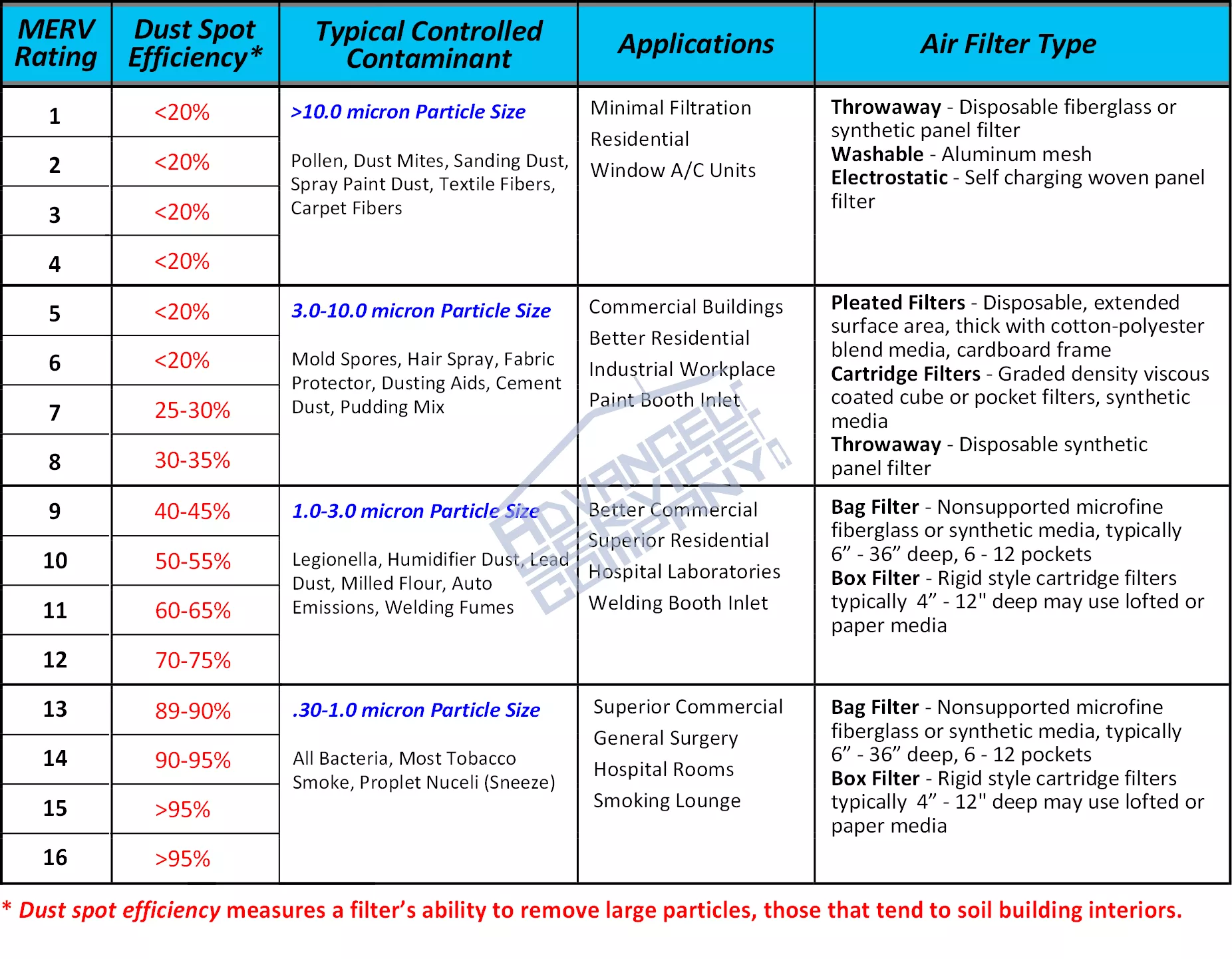
Filters may have an industry-created standard associated with them which is called MERV (Minimum Efficiency Reporting Values). The lower the MERV rating, the less efficient the filter is at filtering particles. While you may want to use a high MERV rating filter, this may not be the best choice due the the restriction of airflow the filter may cause. A HVAC and duct system must be properly designed to allow proper airflow with high MERV rated filters.
A proper filtration system must be designed to meet the needs and usage of the conditioned space. Some filtration systems must be incorporated into the duct system to achieve optimum perfermance.
Filtration is a critical component of HVAC systems and plays a major role in maintaining indoor air quality, when properly designed. HVAC filtration works by capturing airborne particles as air circulates through the heating and cooling system. As air is pulled through the return ducts, it passes through an air filter that traps contaminants such as dust, pollen, pet dander, and lint before the air is conditioned and redistributed throughout the building. Effective filtration helps keep indoor air cleaner while also protecting HVAC equipment from debris buildup that could affect performance.
Air filters used in HVAC systems come in a variety of types and efficiencies. Basic fiberglass filters are designed primarily to protect HVAC equipment by capturing larger particles, while pleated filters use denser material to capture smaller airborne contaminants. Higher-efficiency filters are often rated using the Minimum Efficiency Reporting Value scale, which measures how effectively a filter captures particles of different sizes. Filters with higher MERV ratings can trap smaller particles such as fine dust, mold spores, and some bacteria, improving overall indoor air quality.
Proper filtration also helps HVAC systems operate more efficiently. When air filters become clogged with dust and debris, airflow through the system can be restricted, forcing the system to work harder to circulate air. Reduced airflow can lead to decreased efficiency, uneven temperatures, and additional strain on system components such as the blower motor. Regularly replacing or cleaning filters ensures proper airflow, helping the HVAC system maintain consistent performance and energy efficiency.
To achieve the best results, filtration should be part of a broader indoor air quality strategy that includes routine HVAC maintenance and proper ventilation. Homeowners and businesses are often advised to check and replace air filters every one to three months depending on system usage, filter type, and indoor conditions. By maintaining proper filtration, HVAC systems can provide cleaner air, protect equipment from damage, and support a healthier and more comfortable indoor environment.
Filters can come in the form of standard-efficiency to high-efficiency. Most common panel filters are of the doghair type or pleated material. Medium to high-efficiency filters have a thicker filtration media or more surface area to provide filtration.
HEPA Air Filtration systems can remove chemical vapors, particles, germs and and odors - depending on the style of HEPA Air Filtration system used.
Filters may have an industry-created standard associated with them which is called MERV (Minimum Efficiency Reporting Values). The lower the MERV rating, the less efficient the filter is at filtering particles. While you may want to use a high MERV rating filter, this may not be the best choice due the the restriction of airflow the filter may cause. A HVAC and duct system must be properly designed to allow proper airflow with high MERV rated filters.
A proper filtration system must be designed to meet the needs and usage of the conditioned space. Some filtration systems must be incorporated into the duct system to achieve optimum perfermance.
Filtration is a critical component of HVAC systems and plays a major role in maintaining indoor air quality, when properly designed. HVAC filtration works by capturing airborne particles as air circulates through the heating and cooling system. As air is pulled through the return ducts, it passes through an air filter that traps contaminants such as dust, pollen, pet dander, and lint before the air is conditioned and redistributed throughout the building. Effective filtration helps keep indoor air cleaner while also protecting HVAC equipment from debris buildup that could affect performance.
Air filters used in HVAC systems come in a variety of types and efficiencies. Basic fiberglass filters are designed primarily to protect HVAC equipment by capturing larger particles, while pleated filters use denser material to capture smaller airborne contaminants. Higher-efficiency filters are often rated using the Minimum Efficiency Reporting Value scale, which measures how effectively a filter captures particles of different sizes. Filters with higher MERV ratings can trap smaller particles such as fine dust, mold spores, and some bacteria, improving overall indoor air quality.
Proper filtration also helps HVAC systems operate more efficiently. When air filters become clogged with dust and debris, airflow through the system can be restricted, forcing the system to work harder to circulate air. Reduced airflow can lead to decreased efficiency, uneven temperatures, and additional strain on system components such as the blower motor. Regularly replacing or cleaning filters ensures proper airflow, helping the HVAC system maintain consistent performance and energy efficiency.
To achieve the best results, filtration should be part of a broader indoor air quality strategy that includes routine HVAC maintenance and proper ventilation. Homeowners and businesses are often advised to check and replace air filters every one to three months depending on system usage, filter type, and indoor conditions. By maintaining proper filtration, HVAC systems can provide cleaner air, protect equipment from damage, and support a healthier and more comfortable indoor environment.
Air Cleaners
High-efficiency filters such as electronic air cleaners use an electrical charge to trap particles on
metal plates that must be periodically cleaned after the plates become full of particulates. The electronic air cleaners provide
dust and particulate filtration. Some systems may require a pre-filtration unit before the electronic air cleaner to prevent
snapping and popping sounds from the electronic air cleaner trying to do excessive work. Electronic air cleaners can help
eliminate pet dander smell and mold spores.
Air cleaners used in HVAC systems are designed to improve indoor air quality by removing airborne particles and contaminants as air circulates through a heating and cooling system. While standard HVAC filters capture larger particles such as dust and lint, dedicated air cleaners are designed to trap much smaller pollutants including pollen, mold spores, pet dander, and fine dust. By continuously filtering the air moving through the duct system, HVAC air cleaners help create a cleaner and healthier indoor environment for homes and businesses.
There are several types of HVAC air cleaners available, each using different filtration technologies. High-efficiency media filters use dense layers of filtration material to capture very small particles as air passes through the system. Electronic air cleaners use electrically charged plates to attract and trap airborne particles, making them highly effective at removing fine contaminants. Some systems also incorporate advanced filtration technologies designed to capture microscopic pollutants that traditional filters may miss.
Air cleaners are typically installed within the HVAC system near the air handler or return ductwork. As the system fan pulls air through the return ducts, the air cleaner captures particles before the air is conditioned and redistributed throughout the building. Because the air passes through the cleaner multiple times each day, the filtration system continuously removes pollutants from the indoor environment. This process can help reduce allergens, dust buildup, and other airborne contaminants inside the home.
For the best results, HVAC air cleaners should be used as part of a comprehensive indoor air quality plan that includes regular HVAC maintenance and proper ventilation. Filters and electronic components must be cleaned or replaced periodically to maintain efficiency. When properly installed and maintained, HVAC air cleaners can significantly improve air quality, reduce airborne allergens, and help HVAC systems operate more efficiently by preventing dust and debris from accumulating on internal components.
Air cleaners used in HVAC systems are designed to improve indoor air quality by removing airborne particles and contaminants as air circulates through a heating and cooling system. While standard HVAC filters capture larger particles such as dust and lint, dedicated air cleaners are designed to trap much smaller pollutants including pollen, mold spores, pet dander, and fine dust. By continuously filtering the air moving through the duct system, HVAC air cleaners help create a cleaner and healthier indoor environment for homes and businesses.
There are several types of HVAC air cleaners available, each using different filtration technologies. High-efficiency media filters use dense layers of filtration material to capture very small particles as air passes through the system. Electronic air cleaners use electrically charged plates to attract and trap airborne particles, making them highly effective at removing fine contaminants. Some systems also incorporate advanced filtration technologies designed to capture microscopic pollutants that traditional filters may miss.
Air cleaners are typically installed within the HVAC system near the air handler or return ductwork. As the system fan pulls air through the return ducts, the air cleaner captures particles before the air is conditioned and redistributed throughout the building. Because the air passes through the cleaner multiple times each day, the filtration system continuously removes pollutants from the indoor environment. This process can help reduce allergens, dust buildup, and other airborne contaminants inside the home.
For the best results, HVAC air cleaners should be used as part of a comprehensive indoor air quality plan that includes regular HVAC maintenance and proper ventilation. Filters and electronic components must be cleaned or replaced periodically to maintain efficiency. When properly installed and maintained, HVAC air cleaners can significantly improve air quality, reduce airborne allergens, and help HVAC systems operate more efficiently by preventing dust and debris from accumulating on internal components.
Ionizers
Ionizers can destroy germs, viruses, bacteria, mold, chemicals, odors and much more. Modern ionizers work great and require
little to no maintenance. Most ionizers include a self-clean feature
that keeps the device operating efficiently.
Ionizers are indoor air quality devices that integrate with a heating and cooling system to help reduce airborne contaminants. These devices work by releasing electrically charged ions into the air that travel through the duct system and attach to particles such as dust, pollen, smoke, and pet dander. Once charged, these particles tend to clump together and become larger, making them easier for the HVAC system’s air filter to capture. By helping remove small airborne particles from circulation, ionizers can contribute to improved indoor air quality in homes and businesses.
Ionizers are commonly installed directly within the HVAC ductwork so they can treat air as it moves through the system. When the HVAC fan operates, the ionizer distributes charged ions throughout the duct system and into the living space. As these ions interact with airborne particles, they can reduce the amount of contaminants floating in the air. Some ionization systems are also designed to help neutralize certain odors caused by smoke, cooking, or pets by breaking down odor-causing molecules.
Many modern ionizers are part of a broader indoor air quality strategy that includes filtration, ventilation, and humidity control. While traditional air filters capture larger particles, ionizers help target smaller particles that may otherwise remain airborne for longer periods. When combined with high-efficiency filters and regular HVAC maintenance, ionizers can support a cleaner indoor environment and improved airflow throughout the home or building.
Advanced Service Company LLC services and installs ionization systems as an add-on to existing heating and cooling equipment. Installation typically involves mounting the device inside the air handler or supply plenum so it can treat air as it circulates through the system. With proper installation and maintenance, ionizers can be an effective tool for improving indoor air quality and reducing airborne contaminants as part of a comprehensive HVAC system solution.
Ionizers are indoor air quality devices that integrate with a heating and cooling system to help reduce airborne contaminants. These devices work by releasing electrically charged ions into the air that travel through the duct system and attach to particles such as dust, pollen, smoke, and pet dander. Once charged, these particles tend to clump together and become larger, making them easier for the HVAC system’s air filter to capture. By helping remove small airborne particles from circulation, ionizers can contribute to improved indoor air quality in homes and businesses.
Ionizers are commonly installed directly within the HVAC ductwork so they can treat air as it moves through the system. When the HVAC fan operates, the ionizer distributes charged ions throughout the duct system and into the living space. As these ions interact with airborne particles, they can reduce the amount of contaminants floating in the air. Some ionization systems are also designed to help neutralize certain odors caused by smoke, cooking, or pets by breaking down odor-causing molecules.
Many modern ionizers are part of a broader indoor air quality strategy that includes filtration, ventilation, and humidity control. While traditional air filters capture larger particles, ionizers help target smaller particles that may otherwise remain airborne for longer periods. When combined with high-efficiency filters and regular HVAC maintenance, ionizers can support a cleaner indoor environment and improved airflow throughout the home or building.
Advanced Service Company LLC services and installs ionization systems as an add-on to existing heating and cooling equipment. Installation typically involves mounting the device inside the air handler or supply plenum so it can treat air as it circulates through the system. With proper installation and maintenance, ionizers can be an effective tool for improving indoor air quality and reducing airborne contaminants as part of a comprehensive HVAC system solution.
UV Lights
Ultraviolet (UV) lights are an indoor air quality solution used in HVAC systems to help reduce microbial contaminants inside
heating and cooling equipment. These systems use ultraviolet light in the UV-C wavelength range to damage the DNA of
microorganisms, preventing them from reproducing and spreading. When installed in an HVAC system, UV lights can help control the
growth of mold, bacteria, and other biological contaminants that may develop in dark, damp areas of the equipment.
One common installation location for HVAC UV lights is near the evaporator coil inside the air handler. During normal operation, moisture can accumulate on the coil as the air conditioner removes humidity from the air. This damp environment can create conditions where mold or microbial growth may develop. By placing UV lights near the coil, the light continuously shines on these surfaces and helps prevent microbial buildup that could otherwise affect airflow, efficiency, and indoor air quality.
UV lights can also be installed in ductwork to treat air as it passes through the HVAC system. In this setup, the UV light helps neutralize airborne microorganisms moving through the duct system before the air is distributed throughout the building. While UV lights are not designed to replace air filtration, they can complement air filters by targeting biological contaminants that filters may not completely capture.
For best results, UV lights are typically used as part of a broader indoor air quality strategy that includes proper filtration, ventilation, humidity control, and regular HVAC maintenance. The bulbs in UV systems must also be replaced periodically to maintain their effectiveness. When properly installed and maintained, UV lights can help keep HVAC systems cleaner and support healthier indoor air conditions by limiting microbial growth within the system. Ultraviolet lights can destroy germs, viruses, bacteria, mold, chemicals, odors and much more. UV lights work great but may require more routine maintenance. The UV bulbs can last from one year up to 3 years. The UV lights must be placed in strategic places and installed in accordance with manufacturers specifications to be effective.
One common installation location for HVAC UV lights is near the evaporator coil inside the air handler. During normal operation, moisture can accumulate on the coil as the air conditioner removes humidity from the air. This damp environment can create conditions where mold or microbial growth may develop. By placing UV lights near the coil, the light continuously shines on these surfaces and helps prevent microbial buildup that could otherwise affect airflow, efficiency, and indoor air quality.
UV lights can also be installed in ductwork to treat air as it passes through the HVAC system. In this setup, the UV light helps neutralize airborne microorganisms moving through the duct system before the air is distributed throughout the building. While UV lights are not designed to replace air filtration, they can complement air filters by targeting biological contaminants that filters may not completely capture.
For best results, UV lights are typically used as part of a broader indoor air quality strategy that includes proper filtration, ventilation, humidity control, and regular HVAC maintenance. The bulbs in UV systems must also be replaced periodically to maintain their effectiveness. When properly installed and maintained, UV lights can help keep HVAC systems cleaner and support healthier indoor air conditions by limiting microbial growth within the system. Ultraviolet lights can destroy germs, viruses, bacteria, mold, chemicals, odors and much more. UV lights work great but may require more routine maintenance. The UV bulbs can last from one year up to 3 years. The UV lights must be placed in strategic places and installed in accordance with manufacturers specifications to be effective.
HEPA Filters
High-efficiency particulate air (HEPA) filters are advanced air filtration systems designed to capture extremely small airborne
particles and improve indoor air quality. A true HEPA filter is capable of removing at least 99.97 percent of airborne particles
that are 0.3 microns in size, which includes many common indoor pollutants such as dust, pollen, mold spores, and some bacteria.
Because of their high filtration efficiency, HEPA filters are widely used in hospitals, laboratories, and other environments
where maintaining clean air is especially important.
In HVAC applications, HEPA filtration can significantly enhance indoor air quality by removing fine particles that standard air filters may not capture. Air passing through the HVAC system is forced through the dense HEPA filter media, where particles are trapped through a combination of interception, impaction, and diffusion processes. This level of filtration can help reduce allergens and airborne contaminants inside homes and commercial buildings, making HEPA filtration beneficial for occupants who are sensitive to dust or airborne pollutants.
However, HEPA filters are much denser than standard HVAC filters, which means they can restrict airflow if the HVAC system is not designed to accommodate them. Many residential HVAC systems cannot directly use full HEPA filters without modifications because the increased resistance can reduce airflow and strain system components. To address this, some systems use specialized HEPA filtration units that operate alongside the HVAC system, or they use high-efficiency filters rated on the Minimum Efficiency Reporting Value scale that provide strong filtration while maintaining proper airflow.
When properly integrated into an HVAC system, HEPA filtration can be an important part of a comprehensive indoor air quality strategy. Combining high-efficiency filtration with ventilation, humidity control, and regular system maintenance helps create a cleaner indoor environment. HVAC professionals can evaluate a building’s system design and recommend appropriate filtration solutions to improve air quality without negatively affecting system performance.
In HVAC applications, HEPA filtration can significantly enhance indoor air quality by removing fine particles that standard air filters may not capture. Air passing through the HVAC system is forced through the dense HEPA filter media, where particles are trapped through a combination of interception, impaction, and diffusion processes. This level of filtration can help reduce allergens and airborne contaminants inside homes and commercial buildings, making HEPA filtration beneficial for occupants who are sensitive to dust or airborne pollutants.
However, HEPA filters are much denser than standard HVAC filters, which means they can restrict airflow if the HVAC system is not designed to accommodate them. Many residential HVAC systems cannot directly use full HEPA filters without modifications because the increased resistance can reduce airflow and strain system components. To address this, some systems use specialized HEPA filtration units that operate alongside the HVAC system, or they use high-efficiency filters rated on the Minimum Efficiency Reporting Value scale that provide strong filtration while maintaining proper airflow.
When properly integrated into an HVAC system, HEPA filtration can be an important part of a comprehensive indoor air quality strategy. Combining high-efficiency filtration with ventilation, humidity control, and regular system maintenance helps create a cleaner indoor environment. HVAC professionals can evaluate a building’s system design and recommend appropriate filtration solutions to improve air quality without negatively affecting system performance.
Proper HVAC Maintenance
Proper maintenance of HVAC equipment is essential for maintaining good indoor air quality in homes and commercial buildings.
Heating and cooling systems continuously circulate air throughout a structure, and if the system is not properly maintained,
dust, debris, and other contaminants can accumulate within its components. Over time, this buildup may allow pollutants to
circulate through the duct system and into indoor spaces. Routine HVAC maintenance helps ensure that air is properly filtered,
circulated, and conditioned, supporting a cleaner and healthier indoor environment.
One of the most important maintenance tasks is regularly replacing or cleaning air filters. Air filters capture airborne particles such as dust, pollen, pet dander, and other pollutants before they move through the HVAC system. When filters become clogged, airflow can be restricted and the system may struggle to maintain proper circulation. Filters are often rated using the Minimum Efficiency Reporting Value, which measures their ability to capture particles of different sizes. Keeping filters clean and selecting appropriate MERV-rated filters helps improve air quality while protecting HVAC components.
Routine maintenance also includes cleaning and inspecting internal components such as evaporator coils, blower motors, and drain pans. Moisture that forms during normal cooling operation can sometimes collect around the evaporator coil, creating conditions where mold or bacteria may grow if the area is not kept clean. Regular inspections allow HVAC technicians to remove buildup, clear condensate drains, and ensure that all components are operating properly. This helps prevent contaminants from entering the air stream and improves overall system performance.
In addition, professional HVAC maintenance ensures that ventilation systems and ductwork remain in good condition. Technicians can identify airflow restrictions, leaks, or debris inside ducts that may affect air circulation and indoor air quality. When combined with proper filtration, humidity control, and ventilation, regular HVAC maintenance helps maintain a cleaner indoor environment, improves system efficiency, and extends the life of heating and cooling equipment.
Not properly maintaining a HVAC system can cause additional wear and reduced life expectancy of a HVAC system. Dirty coils can affect indoor air quality, they can cause high refrigerant pressures which leads to reduced compressor life. They can also cause liquid refrigerant floodback to your compressor, which harms your compressor.
One of the most important maintenance tasks is regularly replacing or cleaning air filters. Air filters capture airborne particles such as dust, pollen, pet dander, and other pollutants before they move through the HVAC system. When filters become clogged, airflow can be restricted and the system may struggle to maintain proper circulation. Filters are often rated using the Minimum Efficiency Reporting Value, which measures their ability to capture particles of different sizes. Keeping filters clean and selecting appropriate MERV-rated filters helps improve air quality while protecting HVAC components.
Routine maintenance also includes cleaning and inspecting internal components such as evaporator coils, blower motors, and drain pans. Moisture that forms during normal cooling operation can sometimes collect around the evaporator coil, creating conditions where mold or bacteria may grow if the area is not kept clean. Regular inspections allow HVAC technicians to remove buildup, clear condensate drains, and ensure that all components are operating properly. This helps prevent contaminants from entering the air stream and improves overall system performance.
In addition, professional HVAC maintenance ensures that ventilation systems and ductwork remain in good condition. Technicians can identify airflow restrictions, leaks, or debris inside ducts that may affect air circulation and indoor air quality. When combined with proper filtration, humidity control, and ventilation, regular HVAC maintenance helps maintain a cleaner indoor environment, improves system efficiency, and extends the life of heating and cooling equipment.
Not properly maintaining a HVAC system can cause additional wear and reduced life expectancy of a HVAC system. Dirty coils can affect indoor air quality, they can cause high refrigerant pressures which leads to reduced compressor life. They can also cause liquid refrigerant floodback to your compressor, which harms your compressor.
Proper Routine Indoor Cleaning
House cleaning plays a surprisingly important role in supporting HVAC-related indoor air quality. Even the most efficient heating
and cooling systems can only manage the air that reaches them; dust, pet dander, pollen, and other debris that accumulate on
floors, furniture, and surfaces can quickly become airborne and circulate through the HVAC system. Regular house cleaning helps
reduce the overall particle load in the home, making it easier for HVAC filters to capture contaminants and maintain cleaner
indoor air.
Vacuuming with a HEPA-filtered vacuum cleaner is especially effective for reducing allergens that can enter the duct system. Dust and debris that settle on carpets, rugs, and upholstery are easily stirred into the air by foot traffic or HVAC airflow. By removing these particles through thorough cleaning, less dust is drawn into the HVAC system, improving filter efficiency and reducing the frequency with which ducts and components need deep cleaning. Wiping down surfaces and cleaning vents and registers also helps prevent the accumulation of dust that could be recirculated.
House cleaning can also help control moisture-related issues that affect indoor air quality. Spills, condensation, and humidity can create conditions for mold or mildew growth on walls, ceilings, or around HVAC vents. Regular cleaning and proper drying of affected areas reduce the potential for mold spores to enter the ductwork, protecting both the system and the indoor environment. Controlling these moisture sources works in tandem with the HVAC system’s humidity management features to maintain healthier air.
In addition to general cleaning, seasonal or periodic deep cleaning of areas near HVAC equipment—such as the furnace or air handler—can further improve air quality. Removing dust and debris from around these units prevents them from entering the system and circulating through the home. When combined with proper HVAC maintenance, filtration, ventilation, and humidity control, regular house cleaning is an essential component of a comprehensive strategy to maintain clean, healthy indoor air.
Vacuuming with a HEPA-filtered vacuum cleaner is especially effective for reducing allergens that can enter the duct system. Dust and debris that settle on carpets, rugs, and upholstery are easily stirred into the air by foot traffic or HVAC airflow. By removing these particles through thorough cleaning, less dust is drawn into the HVAC system, improving filter efficiency and reducing the frequency with which ducts and components need deep cleaning. Wiping down surfaces and cleaning vents and registers also helps prevent the accumulation of dust that could be recirculated.
House cleaning can also help control moisture-related issues that affect indoor air quality. Spills, condensation, and humidity can create conditions for mold or mildew growth on walls, ceilings, or around HVAC vents. Regular cleaning and proper drying of affected areas reduce the potential for mold spores to enter the ductwork, protecting both the system and the indoor environment. Controlling these moisture sources works in tandem with the HVAC system’s humidity management features to maintain healthier air.
In addition to general cleaning, seasonal or periodic deep cleaning of areas near HVAC equipment—such as the furnace or air handler—can further improve air quality. Removing dust and debris from around these units prevents them from entering the system and circulating through the home. When combined with proper HVAC maintenance, filtration, ventilation, and humidity control, regular house cleaning is an essential component of a comprehensive strategy to maintain clean, healthy indoor air.
Visuals of IAQ
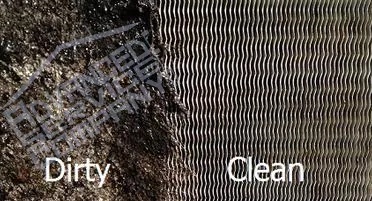
Coil Conditions
Dirty indoor coils can be a breeding ground for mold, organisms and odors.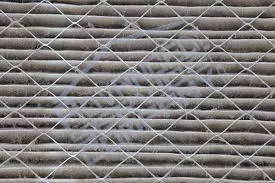
Filtration
Dirty filters can be lead to poor indoor air quality and HVAC system failures.IAQ Accessories
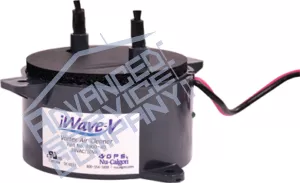
Ionizer
Ionizers can destroy germs, viruses, bacteria, mold, smoke, chemicals, odors and much more.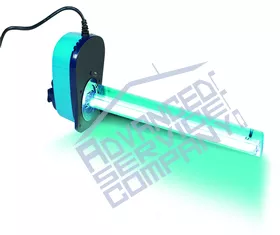
UV Lights
Ultraviolet lights can destroy germs, viruses, bacteria, mold, chemicals, odors and much more.MERV Filter Ratings