
About HVAC Zoning
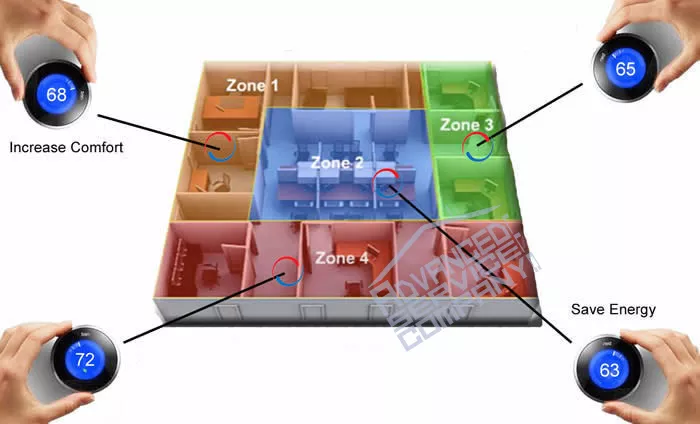
Advanced Service Company LLC provides service, maintenance and installation of zoned HVAC systems. HVAC zoning is a system design approach that divides a home or building into separate areas, or “zones,” that can be heated or cooled independently. Instead of using a single thermostat to control the temperature of the entire building, zoning systems allow multiple thermostats to manage different areas. This approach helps provide more precise temperature control and improved comfort, since different rooms or sections of a building often have different heating and cooling needs based on factors such as sunlight exposure, occupancy, and insulation.
A typical zoning system works by using thermostats, a central control panel, and motorized dampers installed inside the ductwork. Each thermostat monitors the temperature in its specific zone and communicates with the control panel. When heating or cooling is required in a zone, the control system opens the appropriate dampers to allow conditioned air to flow into that area while closing dampers in other zones that do not require conditioning. This targeted airflow helps ensure that each part of the building receives the right amount of heating or cooling.
Zoning systems can also improve HVAC energy efficiency by reducing the need to condition unused areas of a building. For example, rooms that are rarely occupied can be set to different temperature levels than frequently used living spaces. This reduces unnecessary heating or cooling, which can lower energy consumption and help extend the life of HVAC equipment by reducing system workload. Zoning can be especially beneficial in larger homes, multi-story buildings, or properties with varying temperature conditions throughout the structure.
In addition to improving efficiency and comfort, HVAC zoning can help address common temperature imbalance problems. Areas such as upper floors, sunrooms, or rooms located far from the HVAC unit often experience uneven heating or cooling. By creating separate zones for these areas, the system can better regulate airflow and maintain more consistent temperatures throughout the building. When properly designed and installed, HVAC zoning systems provide greater control, enhanced comfort, and improved overall system performance. Another option to zone your home or commercial building is to install a multi-head minisplit HVAC system.
HVAC Zone Panel
HVAC Zone Thermostat
HVAC Zoning Components
Listed below are some components of the Zoning System.
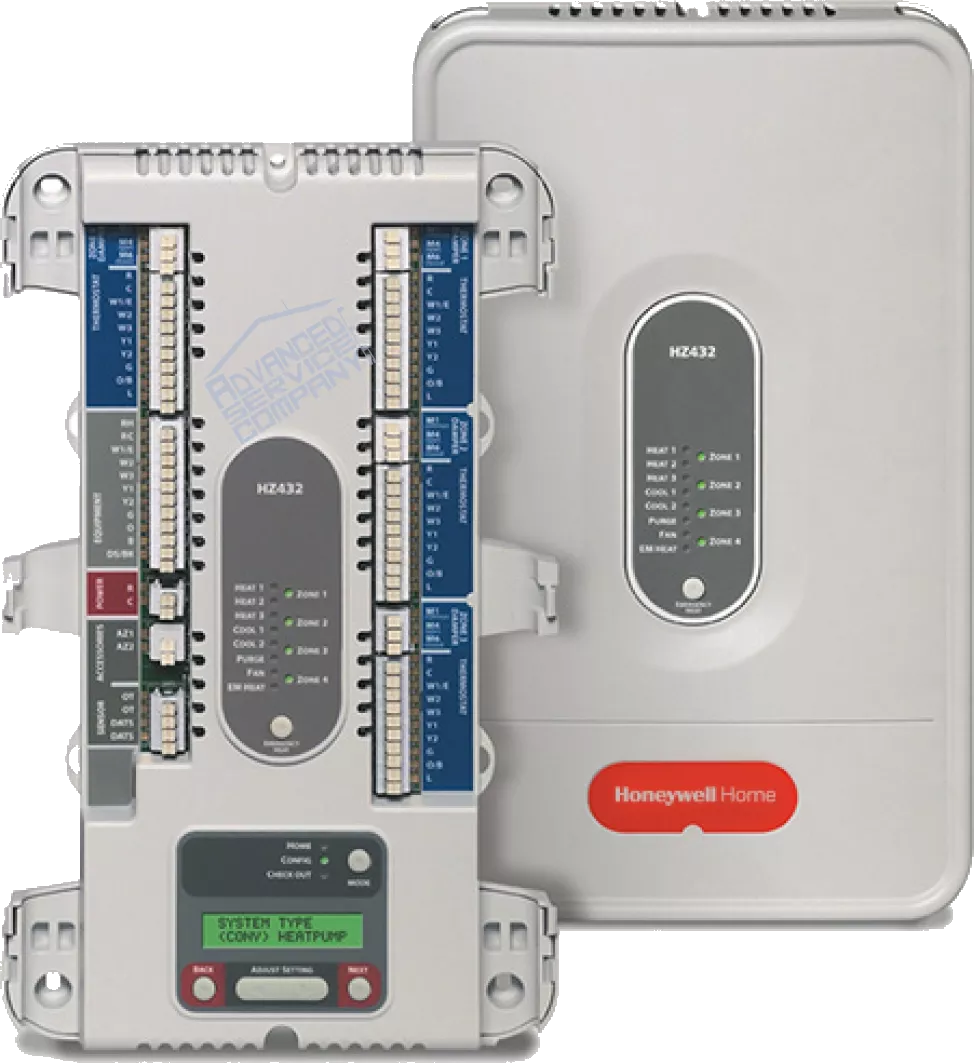
HVAC Zone Panel
Zone panels are the central control components used in HVAC zoning systems to manage how
heating and cooling are distributed throughout different areas of a building. In a zoned HVAC setup, the zone panel acts
as the communication hub between thermostats, dampers in the ductwork, and the HVAC equipment itself. It receives signals
from each zone’s thermostat and determines when to activate the heating or cooling system and which zones should receive
conditioned air.
Each thermostat in a zoned system monitors the temperature in its assigned area and sends a signal to the zone panel when
heating or cooling is needed. The zone panel then opens or closes motorized dampers located within the ductwork to direct
airflow to the appropriate zones. For example, if one zone requires cooling while another has already reached the desired
temperature, the panel will open the dampers for the zone needing cooling and keep others closed or partially closed. This
process allows the HVAC system to respond to the specific needs of different areas in the building.
Zone panels also help coordinate the operation of HVAC equipment to maintain safe and efficient system performance.
Because closing dampers in certain zones can change airflow through the system, the zone panel helps manage how the
blower, furnace, or air conditioner operates to prevent issues such as excessive pressure within the duct system. Some
systems may also use bypass dampers or variable-speed equipment to maintain balanced airflow when only one zone is calling
for heating or cooling.
Modern zone panels often include advanced features that improve system control and flexibility. Many models can support
multiple zones, integrate with programmable thermostats, or work with smart home systems for remote temperature
management. By properly coordinating thermostats, dampers, and HVAC equipment, zone panels make it possible for zoning
systems to deliver precise comfort control, improved energy efficiency, and more balanced temperatures throughout a home
or commercial building.
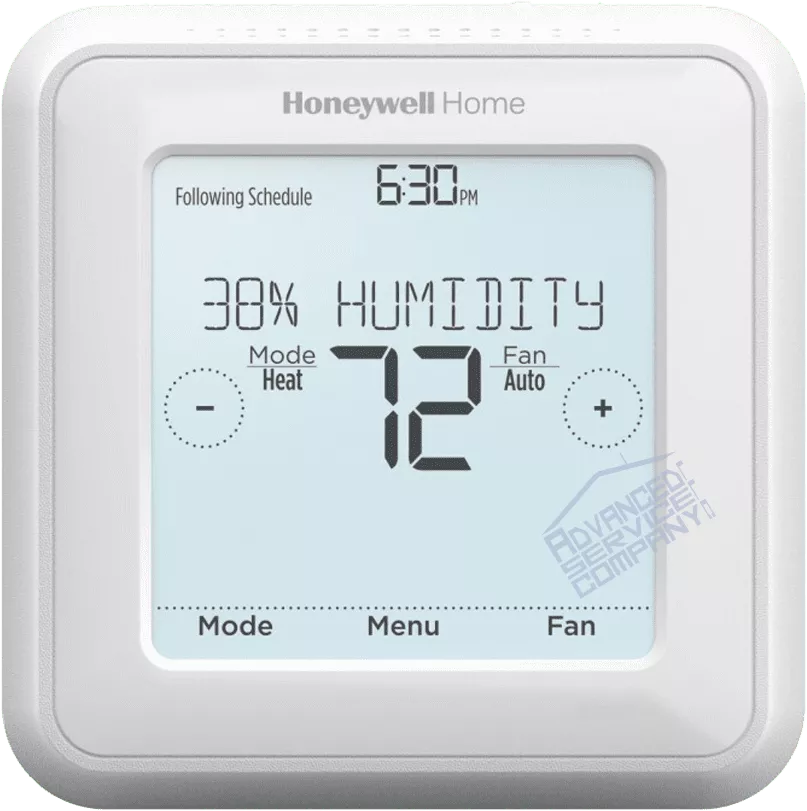
HVAC Zone Thermostat
Zone thermostats are an essential part of HVAC zoning systems, allowing different areas of a home or building to be
controlled independently for heating and cooling. Instead of relying on a single thermostat to regulate the temperature
for the entire structure, zone thermostats are placed in specific areas, or zones, to monitor and control the temperature
in those individual spaces. This setup allows each zone to maintain its own comfort level based on occupancy, sunlight
exposure, and other environmental factors.
Each zone thermostat communicates with a central zone control panel that manages the HVAC system and the dampers inside
the ductwork. When the thermostat senses that the temperature in its zone is above or below the desired setting, it sends
a signal to the control panel. The panel then activates the heating or cooling system and opens the dampers that direct
airflow to that particular zone while restricting airflow to areas that do not require conditioning at that time.
Zone thermostats help improve comfort by addressing temperature differences that commonly occur in buildings. For example,
upper floors in a home may become warmer than lower floors during the summer, while certain rooms may remain cooler due to
limited sunlight. By placing thermostats in these areas, the HVAC system can respond more precisely to the needs of each
zone, helping maintain more balanced temperatures throughout the building.
Many modern zone thermostats also include programmable or smart features that allow homeowners to set temperature
schedules or adjust settings remotely. These capabilities help improve convenience and energy efficiency by allowing
different zones to operate only when needed. When combined with zone dampers and a control panel, zone thermostats provide
greater control over indoor comfort while helping HVAC systems operate more efficiently.
HVAC Zone Damper
Zone dampers are mechanical devices installed inside HVAC ductwork that control the flow of air to different areas of a
building. They are a key component of a zoning system, which allows a home or commercial space to be divided into multiple
zones that can be heated or cooled independently. By opening or closing within the ducts, zone dampers regulate how much
conditioned air is delivered to each zone, helping maintain the desired temperature in different parts of the building.
Most zone dampers are motorized and connected to a central zone control panel. When a thermostat in a particular zone
calls for heating or cooling, the control panel signals the damper for that zone to open. At the same time, dampers for
zones that do not require conditioning may remain closed or partially closed. This allows the HVAC system to direct
airflow only where it is needed, improving comfort and preventing unnecessary heating or cooling in unused spaces.
Zone dampers can be designed in several ways depending on the HVAC system and duct layout. Common types include round
dampers for circular ducts and rectangular dampers for square or rectangular ductwork. Many dampers use a small electric
actuator to move a blade inside the duct, which either allows air to pass through or restricts airflow. Some systems also
include a bypass damper that helps relieve excess air pressure when multiple zone dampers are closed, protecting the HVAC
equipment and duct system.
By controlling airflow more precisely, zone dampers help improve both comfort and energy efficiency. They make it possible
for HVAC systems to respond to the specific temperature needs of different areas in a building rather than conditioning
the entire structure at once. When properly installed and maintained as part of a zoning system, zone dampers help create
more consistent indoor temperatures while reducing energy waste and improving overall HVAC performance.
HVAC Zone Bypass Damper
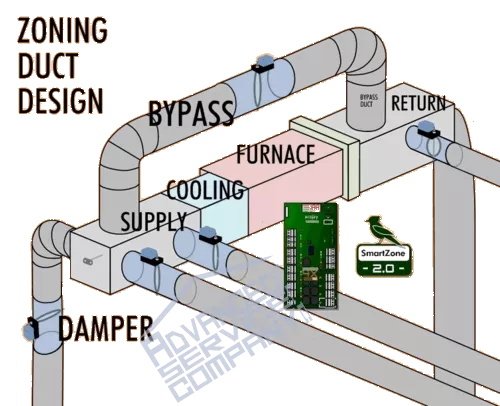
Bypass dampers are important components used in many HVAC zoning systems to help manage
airflow and maintain proper system pressure. In a zoned HVAC system, motorized dampers open and close to direct
conditioned air to specific areas of a building. When only one or two zones are calling for heating or cooling, several
dampers may be closed at the same time. This can cause excess air pressure in the duct system because the HVAC blower is
still producing the same amount of airflow. A bypass damper helps relieve this pressure by redirecting excess air back
into the return duct or air handler.
A bypass damper is typically installed in a duct that connects the supply duct to the return duct. When pressure in the
supply duct rises due to closed zone dampers, the bypass damper automatically opens to allow some of the conditioned air
to flow back into the return side of the system. This prevents excessive pressure buildup in the ductwork and helps
protect HVAC components such as the blower motor and evaporator coil from strain or damage caused by restricted airflow.
There are different types of bypass dampers used in HVAC systems. Some systems use a barometric bypass damper, which opens
and closes automatically based on changes in air pressure. Others may use a motorized bypass damper that is controlled
electronically by the zoning control panel. Both types are designed to maintain balanced airflow and ensure the HVAC
system continues operating efficiently even when multiple zones are closed.
Bypass dampers play an important role in maintaining the performance and longevity of zoned HVAC systems. Without a way to
relieve excess pressure, airflow restrictions could reduce system efficiency, create noise in the ductwork, or potentially
damage equipment. When properly installed and adjusted as part of a zoning system, bypass dampers help maintain safe
airflow levels, protect HVAC components, and ensure that each zone receives the right amount of conditioned air.
HVAC Ductwork Zoning Components
Ductwork Zoning Components
HVAC Zoning Manufacturers
To learn more about Honeywell and their line of zoning products, click here.
To learn more about ZoneFirst and their line of zoning products, click here.
To learn more about Jackson and their line of zoning products, click here.